How Roof Ventilation Helps Prevent Moisture and Mold
Roof ventilation helps prevent moisture and mold buildup by promoting airflow, and local contractors can install and maintain systems to protect your home.
Understanding how roof ventilation helps prevent moisture and mold is essential for property owners looking to protect their investment and maintain a healthy home environment. Proper roof ventilation allows excess humidity and heat to escape from the attic and roof space, reducing the likelihood of condensation that can lead to mold growth and structural damage. For those in the area, exploring this topic can reveal practical ways to improve home comfort, lower energy costs, and prevent costly repairs caused by moisture buildup.
Local contractors who specialize in roof ventilation can provide tailored solutions to ensure your property stays well-ventilated and free from moisture issues. They understand the unique climate and building styles in the area, making it easier to select and install the right ventilation systems. Keep reading to learn more about how effective roof ventilation can make a difference in safeguarding your property against mold and moisture-related problems.
- Attic Ventilation Installation - homeowners noticing excess moisture buildup may need attic ventilation services, with local contractors assessing and installing vents to improve airflow.
- Roof Ventilation Repair - for roofs with signs of mold or condensation, local service providers can repair or replace existing vents to prevent further moisture issues.
- Attic Fan Installation - when moisture and mold problems are linked to poor ventilation, local pros can install attic fans to enhance air circulation and reduce humidity.
- Venting System Inspection - property owners concerned about hidden moisture issues can have local experts inspect and evaluate current ventilation systems for effectiveness.
- Roof and Attic Sealing - if moisture intrusion is caused by leaks or poor sealing, local contractors can perform sealing work to help control indoor humidity levels.

When homeowners search for information on how roof ventilation helps prevent moisture and mold, they are often concerned about issues related to indoor air quality, structural integrity, and long-term property value. Excess moisture buildup in attics or roof spaces can lead to the development of mold, which poses health risks and can cause damage to roofing materials, insulation, and wood framing. Many people are exploring this topic because they notice signs such as musty odors, visible mold growth, or condensation on windows and ceilings. Understanding the role of proper roof ventilation is key to addressing these problems proactively, especially in climates with high humidity or significant temperature fluctuations.
This topic is closely connected to a range of property concerns and planning efforts. Homeowners with older roofs or those undertaking renovations often consider ventilation improvements as part of their project scope. Poor ventilation can result in trapped moisture, which accelerates deterioration of roofing components and reduces energy efficiency. Additionally, property owners planning to sell or upgrade their homes frequently seek ways to enhance durability and indoor air quality. Local contractors who specialize in roof ventilation can assess existing systems, recommend suitable solutions, and help ensure that moisture levels are kept in check, ultimately protecting the investment in the property.
The types of properties that typically come up when exploring how roof ventilation helps prevent moisture and mold include single-family homes, multi-family residences, and even some commercial buildings. Residential properties with attics or roof spaces that are poorly ventilated are especially vulnerable. In regions with humid or rainy seasons, the risk of moisture accumulation increases, making proper ventilation a crucial factor in maintaining the health of the roof structure. Even newer constructions can benefit from enhanced ventilation systems to prevent moisture issues. Local service providers experienced in roof ventilation can evaluate different property types and recommend tailored solutions to improve airflow and reduce the likelihood of mold development.
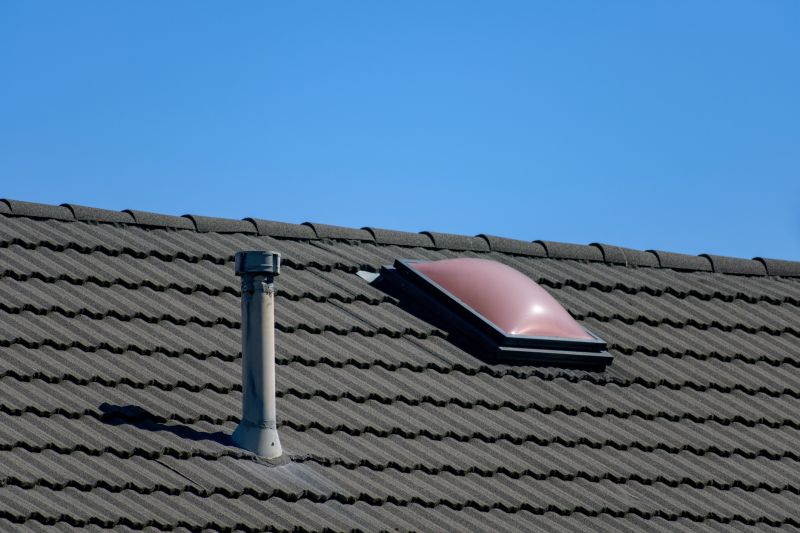
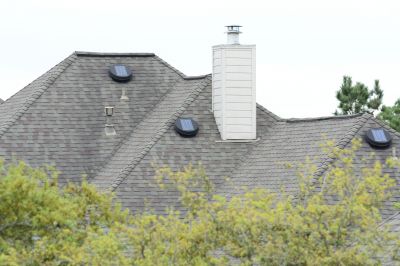
Understanding how roof ventilation functions in real projects helps homeowners see its practical importance. Properly installed vents, such as soffit, ridge, or attic fans, facilitate continuous airflow that prevents moisture from lingering in the roof space. When moisture levels stay low, the environment becomes less hospitable to mold growth and less prone to rot or structural damage. Local contractors who specialize in roof ventilation can provide the expertise needed to select and install the right systems for each property. By improving airflow, these professionals help create a healthier, more durable roof environment, which is essential for maintaining the overall integrity of a home or building.
Attic Insulation Installation - Proper insulation work complements roof ventilation by reducing moisture buildup and preventing mold growth in attics.
Roof Repair and Replacement - Repairing or replacing damaged roofs ensures proper airflow and ventilation, which helps in controlling moisture levels.
Gutter and Drainage System Services - Effective gutter and drainage solutions prevent water accumulation around the foundation, supporting overall roof and attic ventilation.
Attic Fan and Vent System Installation - Installing attic fans and vent systems directly enhances airflow, reducing moisture and mold risk in roof spaces.
Attic Air Sealing Services - Sealing air leaks in the attic prevents unwanted moisture infiltration, working alongside ventilation to keep mold at bay.
Roof Inspection and Maintenance - Regular inspections identify ventilation issues early, allowing local contractors to address moisture concerns before mold develops.
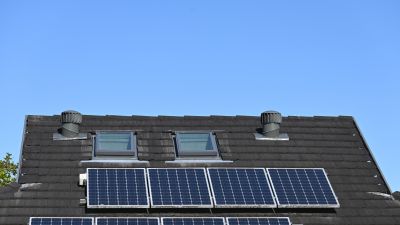
When evaluating local contractors for roof ventilation services, it’s important to consider their experience with similar projects. Homeowners should inquire about how long the service providers have been working in the area and whether they have handled roof ventilation systems that address moisture and mold prevention in homes comparable to their own. An experienced contractor is more likely to understand the specific challenges that can arise with different roof types and attic configurations, ensuring that the ventilation solutions installed are effective in reducing excess moisture buildup and preventing mold growth over time.
Clear written expectations are another critical factor when comparing local service providers. Homeowners should seek detailed explanations of what the project will entail, including the scope of work, materials used, and the expected outcomes related to moisture control. Having this information in writing helps prevent misunderstandings and ensures that both parties are aligned on the goals of improving roof ventilation to mitigate moisture issues. Well-defined expectations also make it easier to assess the professionalism of the contractor and their ability to communicate effectively throughout the project.
Reputable references and good communication are essential qualities when choosing a contractor for roof ventilation services. Homeowners can ask for references from previous clients who had similar work done, especially those focused on moisture and mold prevention. This feedback provides insight into the contractor’s reliability, quality of work, and how well they communicate during the project. A service provider who maintains open, transparent communication and responds promptly to questions can help ensure the project proceeds smoothly and that concerns about moisture management are addressed thoroughly, leading to a more successful outcome.
Property owners often search for how roof ventilation helps prevent moisture and mold when they are planning practical projects around their homes and businesses. Local pros provide Roof Ventilation services for everyday jobs and straightforward project options.
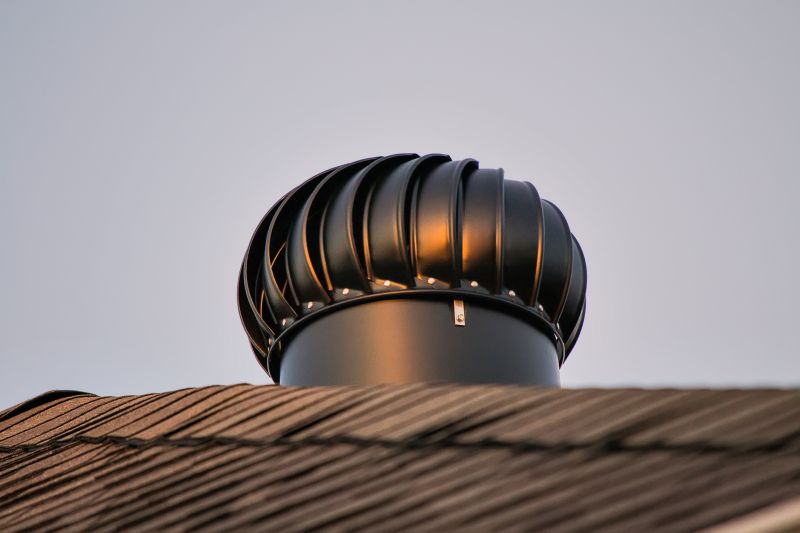
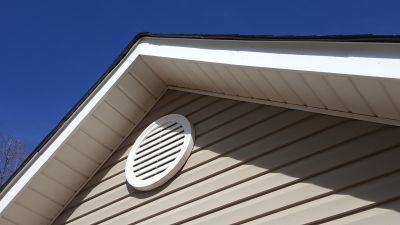
Proper roof ventilation plays a key role in preventing moisture buildup inside a home, especially in areas prone to high humidity or seasonal changes. When warm, moist air rises and escapes through vents, it helps maintain balanced airflow within the attic space. This process reduces the chances of condensation forming on roof decks and insulation, which can otherwise lead to mold growth and structural issues over time. Homeowners in the area often consider roof ventilation services to ensure their homes stay dry and free from the problems associated with excess moisture.
Local contractors who specialize in roof ventilation can assess existing systems and recommend solutions tailored to specific home needs. By installing or upgrading vents, they help improve airflow and prevent moisture from stagnating in the attic or roof space. This simple yet effective approach can safeguard a property against mold development, which not only damages building materials but can also impact indoor air quality. Property owners looking to protect their investment often seek out these services from trusted local providers to maintain a healthier, more durable home environment.
How does roof ventilation help prevent moisture buildup? Proper roof ventilation allows moist air to escape from the attic or roof space, reducing humidity levels that can lead to moisture accumulation and potential damage.
In what ways can roof ventilation reduce mold growth? By controlling moisture levels and preventing excess humidity, roof ventilation creates an environment less conducive to mold development, which thrives in damp conditions.
Why is adequate roof ventilation important for preventing mold? Adequate ventilation helps maintain balanced moisture levels inside the roof area, reducing the risk of mold spores settling and growing on surfaces.
How can local contractors improve roof ventilation to prevent moisture issues? They can install or upgrade vents, fans, and other ventilation systems to ensure proper airflow and moisture control in the roof space.
What role do roof vents play in maintaining a healthy attic environment? Roof vents facilitate the exchange of air, reducing excess humidity and preventing conditions that promote moisture and mold growth in the attic.
Assessing roof ventilation needs - property owners can evaluate their attic's airflow and identify areas where ventilation may be insufficient, helping them plan for improvements with local contractors.
Installing proper vents - homeowners can work with local service providers to add or upgrade roof vents, promoting better air circulation to prevent moisture buildup.
Monitoring attic conditions - regularly checking for signs of excess humidity or mold can alert property owners to ventilation issues that local pros can address through targeted solutions.
Maintaining existing ventilation systems - routine inspections and cleaning of vents ensure they function effectively, reducing the risk of moisture and mold growth over time.
If you are thinking about how roof ventilation helps prevent moisture and mold for a property, this guide is meant to help you understand this topic, the typical project types, and how different options might fit your plans.
When you are ready, you can use the quote form on this page to share a few details about your project. From there, local pros can review the basics and follow up with options that match what you have in mind.