Get Flat Roof Vent Installation
Local contractors provide flat roof vent installation services to improve attic ventilation, prevent moisture buildup, and address issues in residential or commercial flat roofing projects.
If you own a property with a flat roof, proper ventilation is essential for maintaining its integrity and performance. Installing the right vents can help regulate temperature, reduce moisture buildup, and prevent issues like mold or roof damage. Property owners in the area who are planning roof upgrades or seeking to improve energy efficiency often explore flat roof vent installation as a practical solution. Whether you're considering routine maintenance or a new installation, it's important to compare options from local contractors who understand the specific needs of flat roofing systems.
By exploring services from local contractors experienced in flat roof vent installation, property owners can find solutions tailored to their property's requirements. Taking the time to review different providers allows for informed decisions that align with your project goals. Keep reading to discover how local service providers can assist with your flat roof ventilation needs and help you find the right fit for your property.
- Flat Roof Vent Installation - when a property owner needs proper ventilation to prevent moisture buildup and improve air circulation.
- Flat Roof Vent Installation - if existing vents are damaged or insufficient, requiring replacement or upgrades for better airflow.
- Flat Roof Vent Installation - during roof renovations or repairs to ensure the building maintains proper ventilation standards.
- Flat Roof Vent Installation - when installing new HVAC systems that require dedicated roof vents for exhaust and intake needs.
- Flat Roof Vent Installation - in cases where a flat roof needs additional vents to address ventilation issues or code compliance.

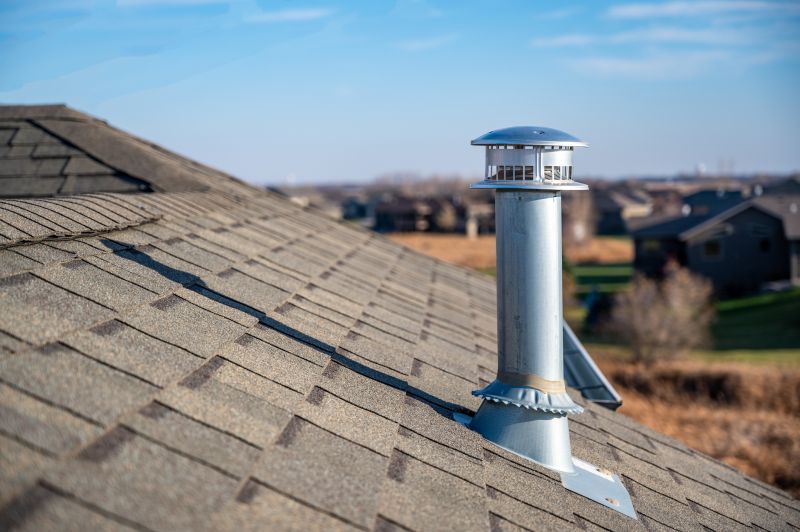
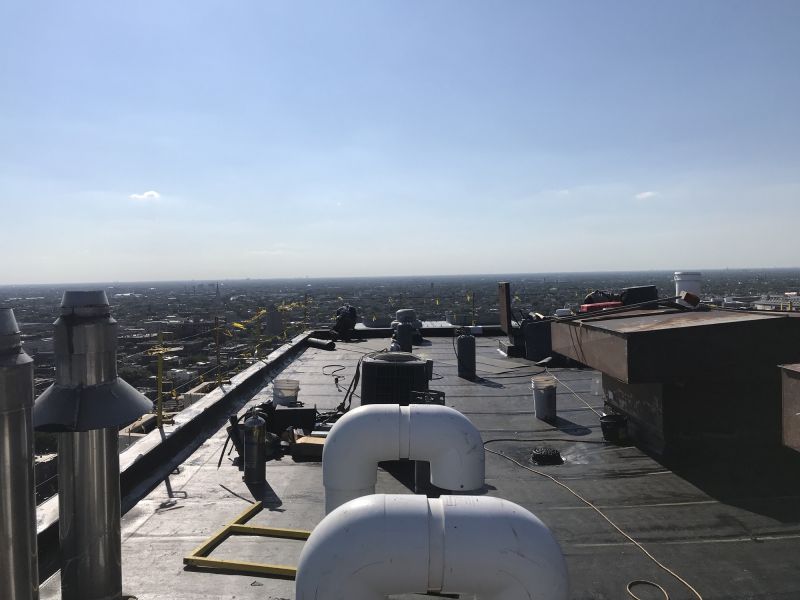
Flat roof vent installation involves adding properly designed vents to a flat or low-slope roof to improve airflow and ventilation within the building. This service typically includes assessing the roof’s structure, selecting the appropriate vent types, and securely installing them to ensure they function effectively. Proper vent installation helps prevent issues related to moisture buildup and poor air circulation, contributing to a healthier indoor environment and protecting the roof’s integrity over time.
One of the primary problems that flat roof vent installation addresses is excess moisture accumulation. Without adequate ventilation, humidity can become trapped inside the building or within the roofing system, leading to problems such as mold growth, roof deck deterioration, and increased energy costs due to poor airflow. Installing vents helps facilitate the escape of humid air and allows fresh air to circulate, reducing the risk of these issues and extending the lifespan of the roof.
This service is commonly used on commercial properties, apartment complexes, and industrial buildings that feature flat or low-slope roofs. However, many residential homes with flat or slightly pitched roofs can also benefit from proper vent installation. Property owners who notice signs of excess moisture, mold, or unusual indoor humidity levels may find that adding or upgrading roof vents helps resolve these problems and improves overall indoor comfort.
Local contractors who specialize in flat roof vent installation can evaluate the specific needs of a property and recommend the right type of vents, such as ridge vents, soffit vents, or turbine vents. These professionals ensure that vents are installed correctly, functioning as intended to promote continuous airflow. Whether for new construction or retrofit projects, experienced service providers can help property owners maintain a healthy, well-ventilated roof system that supports the building’s long-term durability.
The overview below groups typical Flat Roof Vent Installation projects into broad ranges so you can see how smaller, mid-sized, and larger jobs often compare in your area.
In many markets, a large share of routine jobs stays in the lower and middle ranges, while only a smaller percentage of projects moves into the highest bands when the work is more complex or site conditions are harder than average.
Smaller Repairs - Typical costs for minor vent repairs or replacements usually range from $250 to $600. Many routine jobs fall within this middle range, depending on the scope of work and materials needed.
Mid-Size Installations - Installing new or replacing existing flat roof vents often costs between $600 and $1,500. Larger projects or those requiring additional modifications tend to push toward the higher end of this range.
Full Vent System Replacement - Complete replacement of all roof vents on a flat roof can range from $1,500 to $3,500. These projects are less common but are necessary for extensive upgrades or older roofing systems.
Larger or Complex Projects - Extensive or complex vent installations, especially on large commercial flat roofs, can reach $5,000 or more. Such projects are less frequent and usually involve specialized requirements or multiple system components.
Actual totals will depend on details like access to the work area, the scope of the project, and the materials selected, so use these as general starting points rather than exact figures.
Roof Vent Repair - professionals skilled in diagnosing and fixing issues with roof vents, ensuring proper airflow and preventing leaks on flat roofs.
Skylight Installation - involves planning and installing openings in flat roofs, requiring similar skills in roofing materials and waterproofing techniques.
Roof Insulation Projects - require knowledge of flat roofing systems to improve energy efficiency while maintaining proper ventilation and waterproofing.
Roof Leak Detection - involves inspecting flat roofs for vulnerabilities and applying targeted solutions, similar to vent installation planning and execution.
Roof Coating Services - entail applying protective coatings to flat roofs, which demands understanding of roofing materials and surface preparation skills.
Gutter and Drainage System Installation - includes integrating drainage solutions with flat roofing systems to prevent water accumulation and damage.
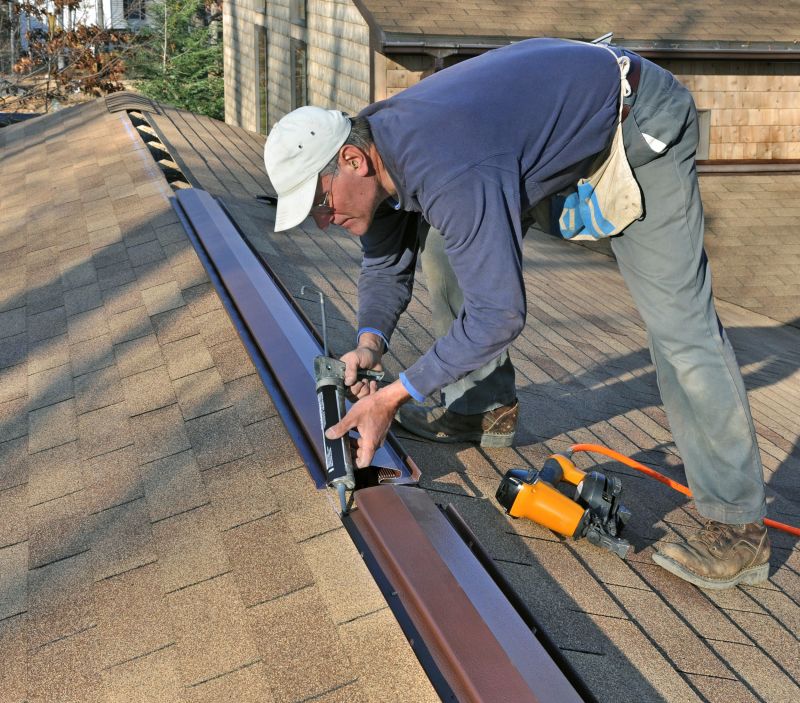
When comparing local service providers for flat roof vent installation, it’s important to consider their experience with similar projects. Homeowners should look for contractors who have a proven track record of handling flat roof vent installations, as this indicates familiarity with the specific requirements and challenges of such work. Asking for information about past projects or viewing portfolios can help gauge a contractor’s expertise and ensure they have the skills necessary to complete the job effectively.
Clear and detailed written expectations are essential when choosing a local contractor. Homeowners should seek providers who can offer comprehensive descriptions of the scope of work, materials to be used, and the steps involved in the installation process. Having this information in writing helps prevent misunderstandings and ensures everyone is aligned on project goals. It’s also beneficial to communicate any specific preferences or concerns upfront, so the service provider can address them from the beginning.
Reputable references and good communication are key factors in selecting a reliable contractor. Homeowners are encouraged to ask for references from previous clients who had similar work done and to follow up with those references to gather insights about the contractor’s professionalism and quality of work. Additionally, choosing a service provider who is responsive and transparent in their communication can lead to a smoother project experience. Remember, this site introduces homeowners to local options that can handle the work-it's not involved in performing the installation itself but aims to connect people with reputable professionals who meet their needs.
Property owners use Flat Roof Vent Installation services for practical projects around their homes and businesses. This guide focuses on everyday jobs and straightforward project options.
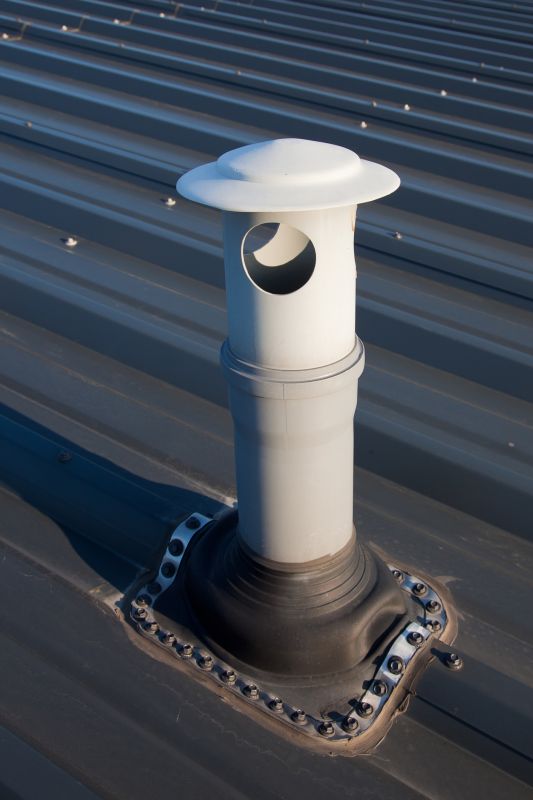
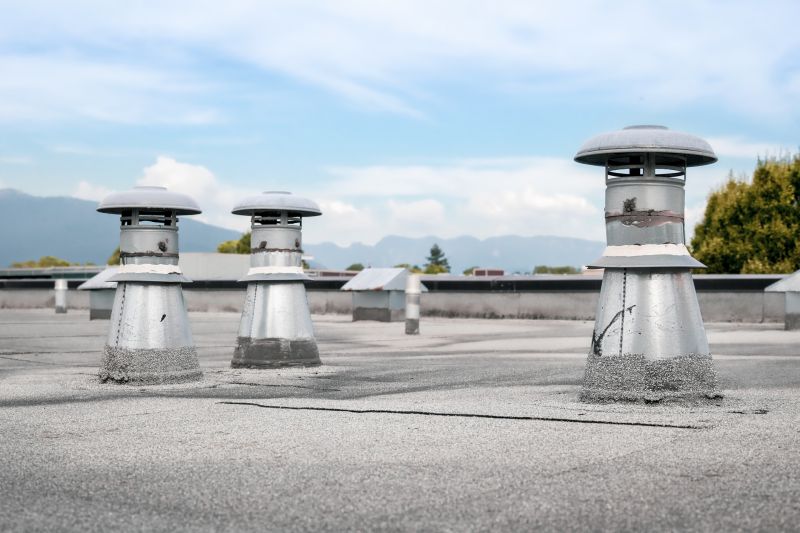
Flat roof vent installation is a common project for property owners dealing with issues like poor airflow, excess heat buildup, or moisture accumulation in their buildings. Local contractors are often called upon to add or replace vents to improve ventilation and prevent problems such as mold growth or roof damage. Whether a property owner notices increased indoor temperatures during warmer months or detects signs of moisture in the attic, these service providers can assess the situation and recommend suitable venting solutions to maintain a comfortable and healthy environment.
In other cases, property owners may seek vent installation when planning roof repairs or upgrades, aiming to enhance the building’s overall performance. Local service providers can handle a variety of flat roof vent projects, from installing new vents to replacing outdated or damaged ones. These professionals help ensure that the roofing system functions properly, reducing the risk of leaks or structural issues caused by inadequate ventilation. Contacting experienced local contractors can be an effective way to address these everyday concerns and keep flat roofs in good condition.
What is the purpose of installing vents on a flat roof? Installing vents helps improve airflow and ventilation, reducing moisture buildup and potential damage to the roof structure.
How do I know if my flat roof needs new vents? Signs such as excessive heat in the attic, mold growth, or persistent condensation can indicate a need for additional or upgraded roof vents.
What types of vents are suitable for flat roofs? Common options include static vents, turbine vents, and ridge vents, which are selected based on the roof’s design and ventilation needs.
Can flat roof vent installation be integrated with existing roofing? Yes, experienced local contractors can typically incorporate new vents into existing flat roof systems without causing leaks or other issues.
What should I consider when choosing a local contractor for flat roof vent installation? Look for providers with experience in flat roof systems, good reputation, and the ability to recommend appropriate venting solutions for your roof.
Improve Ventilation Efficiency - Installing new vents can help ensure proper airflow, reducing moisture buildup and extending the life of the roof.
Reduce Energy Costs - Proper roof vents can help regulate indoor temperatures, potentially lowering heating and cooling expenses.
Prevent Roof Damage - Adequate ventilation can minimize the risk of damage caused by trapped heat and humidity in the attic space.
Enhance Property Value - Upgrading roof ventilation systems can be a practical improvement that benefits the overall condition of the property.
If you are thinking about Flat Roof Vent Installation for a property, this guide is meant to help you understand the work, the typical project types, and how different options might fit your plans.
When you are ready, you can use the quote form on this page to share a few details about your project. From there, local pros can review the basics and respond with options that match what you have in mind.