Compare Local Contractors for Roof Exhaust Installation Services
Compare local contractors for roof exhaust installation to define scope, verify experience, and set clear expectations before hiring.
Roof exhaust installation involves the setup of ventilation systems designed to remove stale air, moisture, and odors from the interior spaces of a building. This work typically includes selecting appropriate exhaust fans or vents, creating openings in the roof structure, and ensuring proper sealing and insulation to prevent leaks. Proper installation is essential for maintaining indoor air quality and protecting the building’s structural integrity, making it important to work with experienced contractors who understand the nuances of roof construction and ventilation standards.
Defining the scope of roof exhaust installation projects is a key step in ensuring the work meets specific needs and expectations. Clear communication about the type of exhaust system, the location of vents or fans, and any additional modifications helps prevent misunderstandings and scope creep. Property owners should work with contractors to outline exactly what tasks will be performed, what materials will be used, and what the desired outcome is. Having this information in writing can serve as a reference point throughout the project, helping to keep the work on track and aligned with the original intent.
When comparing local contractors for roof exhaust installation, property owners should consider experience with similar projects, the range of services offered, and their reputation within the community. Verifying how long a contractor has been working in the area and requesting examples of completed projects can provide insight into their expertise. It’s also beneficial to review any available references or reviews, and to ensure that the scope of work is clearly documented before work begins. This approach helps establish realistic expectations and ensures that the chosen service provider is well-equipped to handle the specific requirements of the installation.
Compare local contractors by outlining project priorities, verifying experience, and establishing clear scope and expectations in writing.
- Compare Contractor Experience - Review the background and project history of local contractors to ensure relevant expertise.
- Define Project Scope Clearly - Establish detailed work parameters to set accurate expectations and prevent misunderstandings.
- Verify Credentials and References - Check references and previous work to assess the reliability and quality of service providers.
- Document Agreements in Writing - Ensure all project details and agreements are documented to facilitate clear communication and accountability.
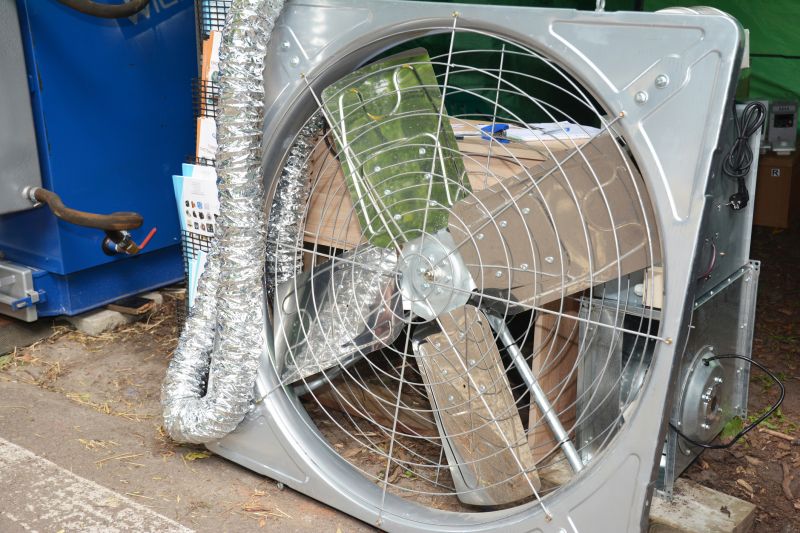
Compare local contractors by clearly defining your roof exhaust project, verifying experience, and setting expectations in writing.
- Verify the contractor’s experience with roof exhaust installation projects similar in scope and complexity. - Ensure the scope of work is clearly defined and documented in the project agreement.
- Check that the contractor follows proper installation procedures and building codes relevant to roof exhaust systems. - Confirm that the contractor provides detailed written descriptions of the installation process and materials used.
- Assess the contractor’s ability to coordinate with other roofing or building systems to prevent conflicts or issues. - Request references or examples of completed projects to evaluate quality and reliability.
- Ensure the contractor conducts a thorough assessment of the existing roof structure to determine suitability for exhaust installation. - Clarify expectations for site preparation, safety measures, and post-installation cleanup in the scope of work.
- Compare multiple local contractors to evaluate their communication, professionalism, and clarity in explaining the project details. - Make sure all project expectations, responsibilities, and warranties are documented in writing before work begins.
Compare local contractors’ experience and clarify project details to ensure a successful roof exhaust installation.
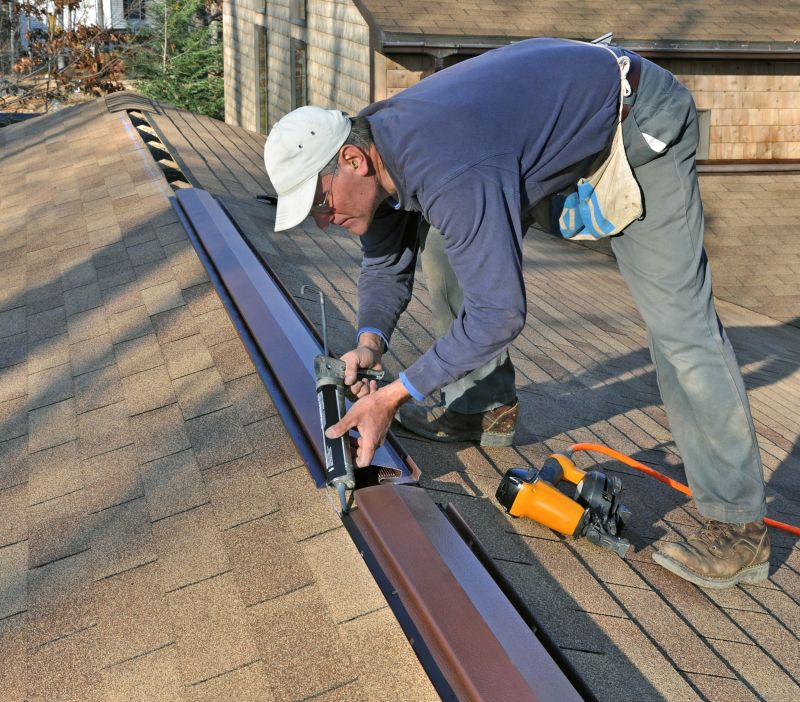
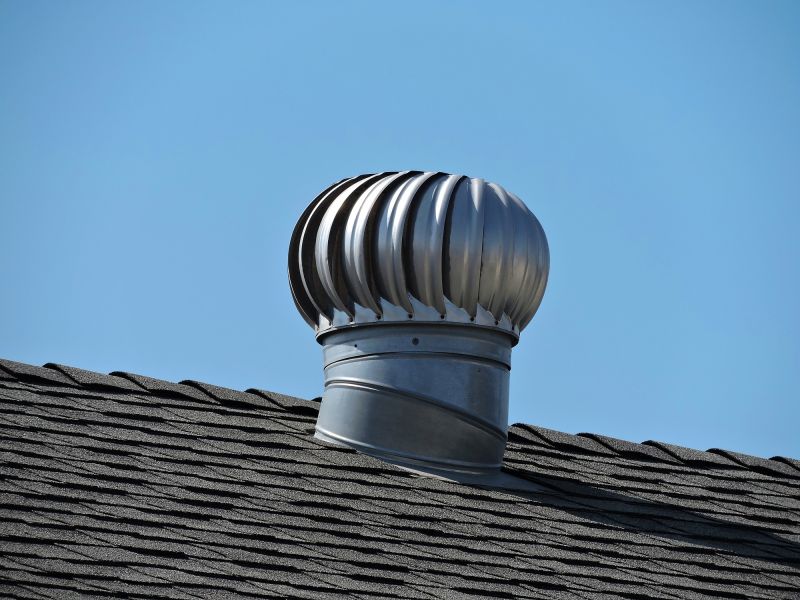
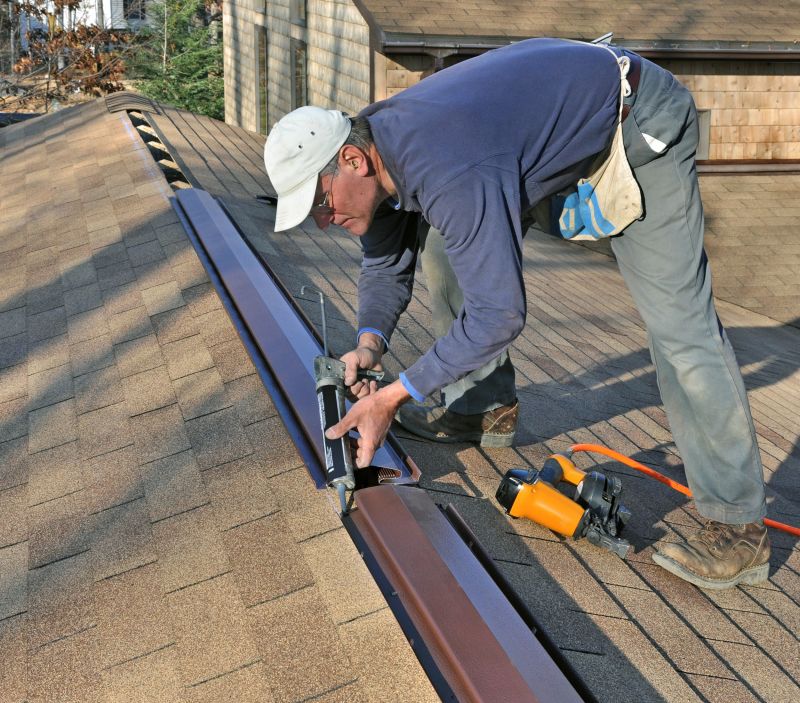

Use consistent comparison criteria to evaluate local contractors’ scope, experience, and written expectations for roof exhaust installation.
- Project Scope Definition - Clearly outline the specific requirements and objectives for the roof exhaust installation.
- Material and Equipment Specifications - Identify the types of exhaust fans, vents, and related components to be used.
- Experience and Expertise Verification - Confirm that local contractors have relevant experience with roof exhaust systems.
- Work Area and Access Planning - Determine the areas of the roof involved and ensure proper access for installation.
- Written Scope and Expectations - Ensure all project details, responsibilities, and deliverables are documented in writing.
When comparing contractors for roof exhaust installation, it’s important to consider their experience with similar projects. Homeowners should inquire about the types of exhaust systems they have installed in comparable structures and ask for examples of past work that align with the scope of their project. Contractors with a proven track record in roof exhaust installation are more likely to understand the unique challenges that can arise and have the skills necessary to handle different roof types and configurations effectively.
A clear, written scope of work is essential for ensuring that expectations are aligned before any work begins. Homeowners should request detailed descriptions of what the installation will include, such as the materials to be used, the specific areas of the roof involved, and any additional steps that might be necessary. Having this information in writing helps prevent misunderstandings and provides a reference point for evaluating whether a contractor’s approach matches the homeowner’s needs.
Verifying the basics of a contractor’s experience involves more than just asking about previous projects. Homeowners should seek information on how long the contractor has been performing roof exhaust installations and whether they have encountered projects similar in size and complexity. It’s also helpful to confirm that the contractor understands local building codes and best practices related to roof ventilation and exhaust systems. This verification process helps ensure that the service provider has the foundational knowledge needed to deliver quality results.
When evaluating options, homeowners should focus on the contractor’s communication, professionalism, and the clarity of their proposals. It’s beneficial to compare how each service provider explains their approach, the level of detail they provide, and their willingness to answer questions. Ensuring that the scope is well-defined and that expectations are documented in writing can help set a solid foundation for the project. This approach allows homeowners to make informed decisions based on the contractor’s expertise and how well they understand the specific requirements of roof exhaust installation.
Ask contractors to provide written scope details to ensure clear understanding and consistent project expectations.
- Experience and Expertise - What specific experience do the contractors have with roof exhaust installation projects?
- Scope of Work - How do the contractors define and outline the scope of the roof exhaust installation?
- Materials and Equipment - What types of materials and equipment do the contractors plan to use for the installation?
- Project Expectations - How do the contractors clarify project expectations and deliverables in writing?
- Comparison Factors - What criteria do the local service providers use to ensure a thorough comparison of options?
What should be included when comparing contractors for roof exhaust installation? It's important to review their scope of work, experience with similar projects, and the details outlined in written estimates to ensure clarity and consistency.
How can I verify a contractor's experience with roof exhaust systems? Ask for references or examples of previous work on similar installations, and consider their familiarity with the specific type of exhaust system needed.
Why is it important to define the scope of work in writing? Having a detailed, written scope helps set clear expectations, prevents misunderstandings, and provides a reference for the project's agreed-upon tasks and responsibilities.
What questions should be asked during the contractor comparison process? Inquire about their experience, the materials they plan to use, their approach to installation, and how they handle potential issues that could arise during the project.
How can I ensure a contractor understands my specific roof exhaust needs? Clearly communicate your requirements and ask the contractor to provide a detailed proposal or scope of work that addresses your specific objectives.
What is the benefit of getting multiple written estimates from different service providers? Comparing detailed proposals helps identify differences in scope, approach, and experience, aiding in selecting the most suitable contractor for the job.
This page has provided an overview of key considerations when selecting contractors for roof exhaust installation, including how to define the scope of work, verify experience, and establish clear expectations in writing. Understanding these steps can help ensure that the process of choosing a service provider is well-informed and tailored to specific project needs.
To explore options and compare local service providers, visitors are encouraged to use the quote form. This allows for direct connections with experienced contractors in the area, making it easier to evaluate available options and find the right fit for the job.